
Listening to the Drivers
Drivers have got solutions to the many problems the haulage sector faces but, unfortunately, they are rarely heard
Implement Dr. Deming's Continuous Improvement Philosophy
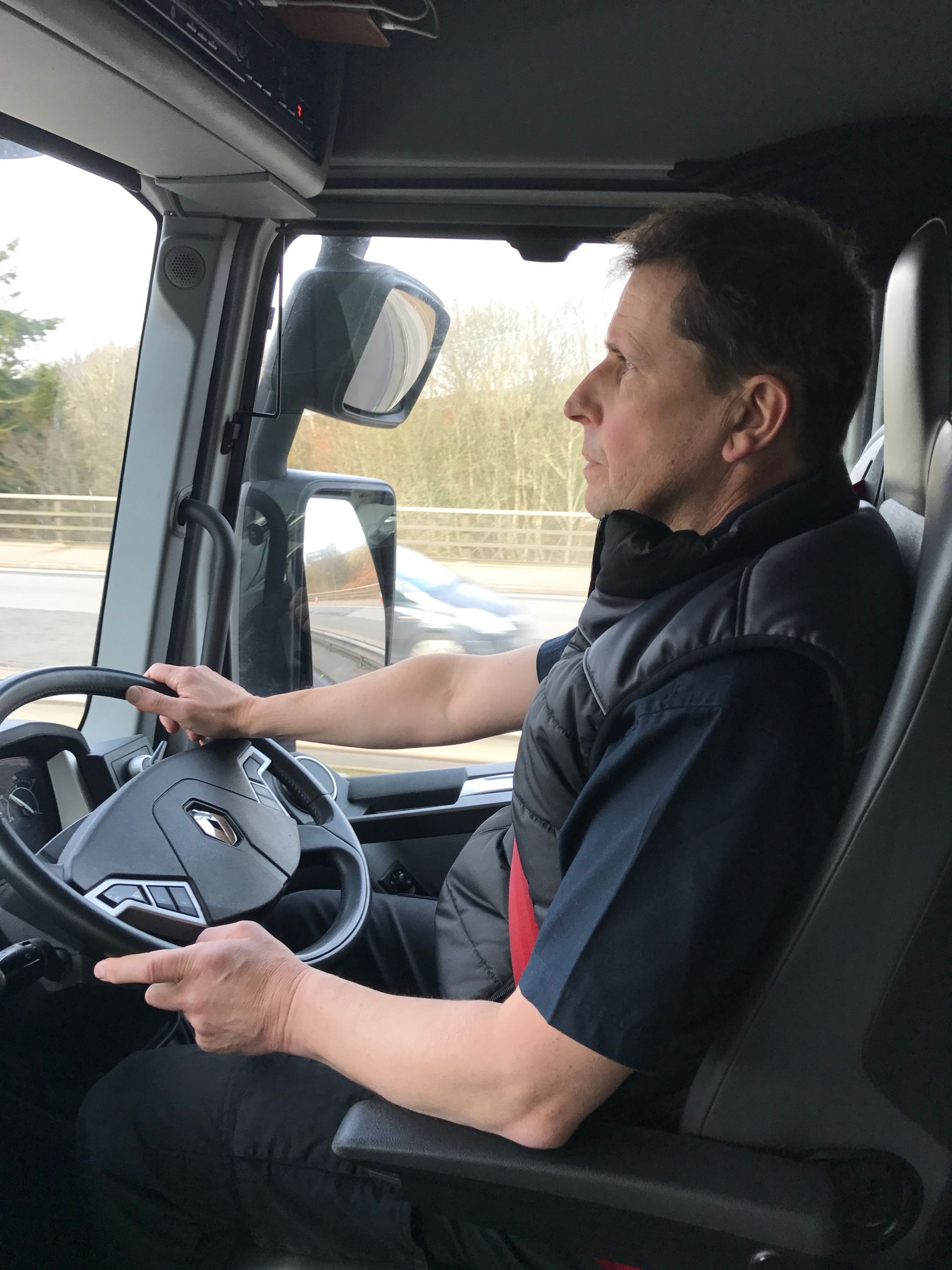
In the haulage industry, HGV (Heavy Goods Vehicle) drivers are essential to operations, spending long hours on the road to ensure safe and timely delivery of goods. However, their insights and experiences are often overlooked in decision-making processes, leading to missed opportunities for improvement.
Engaging with drivers can yield significant enhancements in safety, efficiency, and overall operational effectiveness, aligning with the continuous improvement principles advocated by Dr. W. Edwards Deming, a pioneer in quality management.
Dr. W. Edwards Deming, an American, is renowned for his contributions to quality management and continuous improvement methodologies. However, he is better remembered in Japan, rather than his native country. I understand that in Japan his name is still well known and there are many memorials and scholarships in his name.
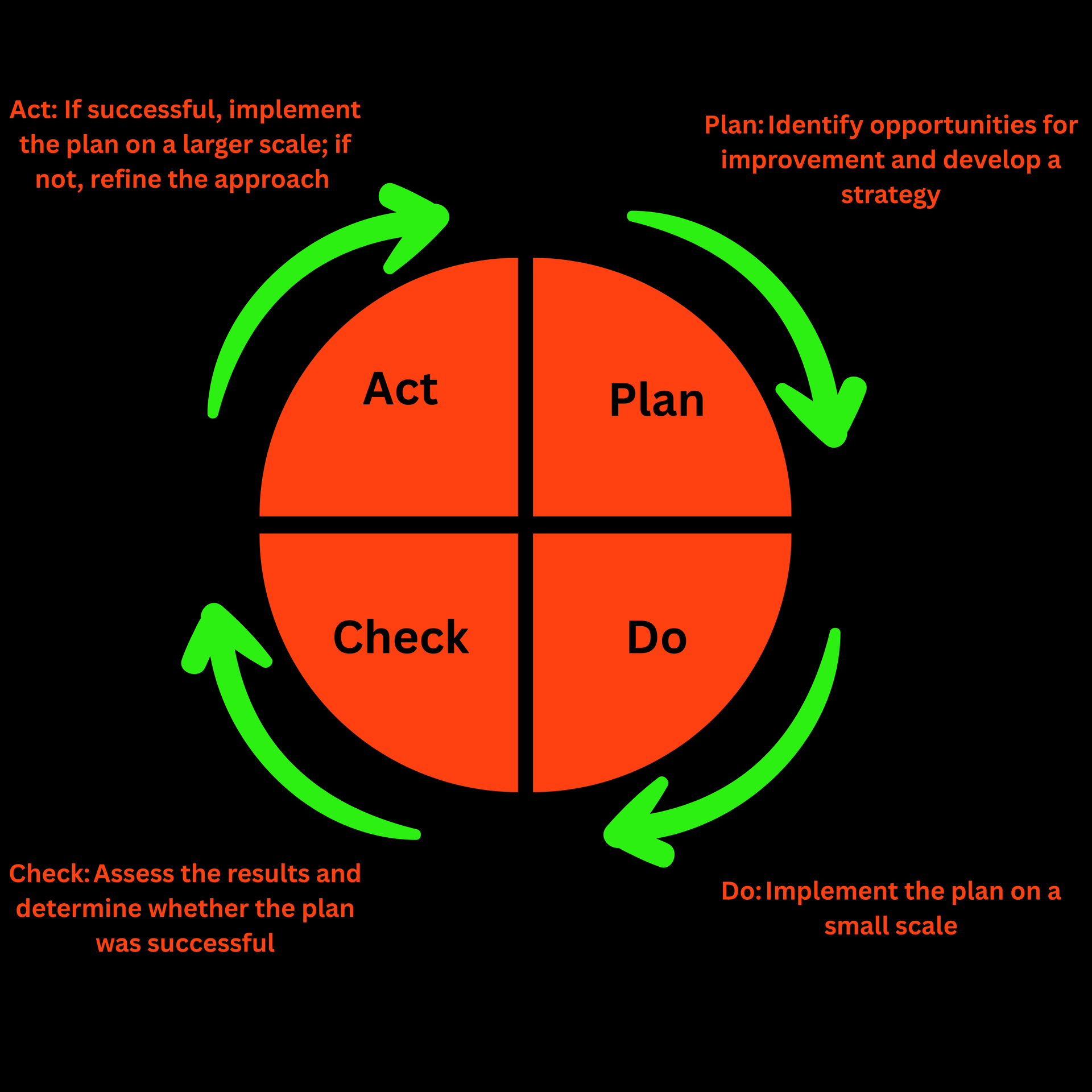
Although created many years ago. His idea that all processes can be improved remains valid. And that the perspectives and knowledge of workers are crucial to this process. Central to his approach is the Plan-Do-Check-Act (PDCA) cycle, which serves as a framework for continuous improvement:
The Voiceless Drivers
In today's haulage sector, HGV drivers often operate in isolation, typically leaving on Monday mornings and returning by Friday evenings without meaningful interaction with management. This lack of communication creates a disconnect. This limits improvement, unless companies put into place systems that allow the HGV drivers to feel valued.
The Case for Listening: Why Drivers' Feedback Matters
HGV drivers possess unique insights that can significantly enhance various aspects of operations.
Safety Improvements: With their firsthand experience of road conditions, drivers can identify potential hazards and suggest improvements to safety protocols, aligning with Deming’s focus on reducing variation and errors.
Well-being and Morale: Addressing drivers' concerns about working conditions can enhance their job satisfaction and productivity. A supportive environment leads to better performance on the road.
Embracing Deming’s Principles in the Haulage Sector
To effectively implement Deming's principles in haulage operations, companies should foster an inclusive approach:
Open Channels of Communication: Establish regular check-ins through telematics or mobile apps to encourage drivers to share their experiences and suggestions.
Feedback Loops and Training: Provide ongoing training on new technologies and best practices while valuing driver input in decision-making process.
By actively listening to HGV drivers and integrating their feedback into operational strategies, companies can create a more efficient, safer, and productive work environment.
Conclusion
The haulage industry stands at a pivotal moment in time. More change in next few years than there has been in the last one hundred.
Listening to drivers not only empowers them but also unlocks potential improvements that benefit everyone involved in the supply chain. Through open communication and collaborative problem-solving, the haulage sector can build a brighter future grounded in quality and continuous enhancement.
By embracing Dr. Deming’s continuous improvement philosophy, organisations can also enhance employee health and well-being, which must happen. We currently have a very unfit workforce which is costing the country money it can no longer afford.

An Example of No Action Taken
When attempts are made to highlight problems, nothing happens. There are many examples of this. Just one example is the issue of Mirrorcam
Unfortunately, HGV drivers have little say. They often operate in isolation, typically leaving their yards at the beginning of the week and returning on Friday, often after the management team have left the site. This makes communication with the driver workforce very challenging.
There is a lot of information that drivers are aware of that does not get effectively communicated either to the management of the companies they work for, or into the wider transport community.
When attempts are made to highlight problems, nothing happens. There are many examples of this. Just one example is the issue of Mirrorcam.
Most HGV drivers who are given a truck fitted with Mirrorcam will tell you they are unhappy driving vehicles and in some cases feel unsafe doing so, and yet all the manufacturers have behaved like sheep following the example of Mercedes and fitting this very questionable technology.
Dr Deming was the father of the concept of encouraging the workforce to contribute towards improvement. Management individuals from the sector need to study the benefits of workforce engagement and start to practice it more.
You will find a PDF of a full report of an accident that I witnessed. The report has been sent to Government, Department of Transport and Jo Shinner, Chief Constable who is the lead for roads policing within the National Police Chiefs Council (NPCC).
Unless further pressure is applied to the situation, drivers will continue to feel like the one in the video.