Graduated Driving Licences
Background and Problem
Graduated Licences (GDLs) were originally introduced to improve safety by ensuring drivers gained experience gradually.
However, in 2021, Baroness Vere removed GDL requirements for towing and HGV categories to address the national shortage of HGV drivers.
This deregulation has coincided with a reported increase in fatalities involving small vehicles towing trailers, suggesting that inadequate training contributes directly to accidents.
Key Concerns
Current rules allow inexperienced drivers who pass a standard car test to drive large vehicles (e.g., a Mercedes Sprinter) towing heavy trailers - posing significant safety risks.
Allowing drivers to move directly from cars to the largest HGVs without progressive training is also considered a major policy error.
Contradicting regulations for driver licences
Graduated Driving Licences (GDL’s) were swept away by Baroness Vere in 2021 as part of a desperate attempt to remedy the ongoing HGV driver shortage problem.
They were originally introduced, as result of many tragic fatalities and after much campaigning, a driving category for people wanting to tow caravans or large trailers behind cars and vans was introduced in 1997.
GDL’s are being proposed for novice car drivers to reduce fatalities. And yet bizarrely, due to the desperation of Baroness Vere to solve the HGV driver shortage, regulations have gone in the opposite direction for larger vehicles.
A government report issued on behalf of the Department of Transport in December 2023 suggests that there is already an increase in fatalities with regard to vehicles towing trailers. It suggests we need to track the trend and see if this is going to be permanent. How many people must die to demonstrate the obvious?
Appropriately trained drivers are less likely to have accidents than untrained ones.
HGV Lorries and Vehicles with Trailers
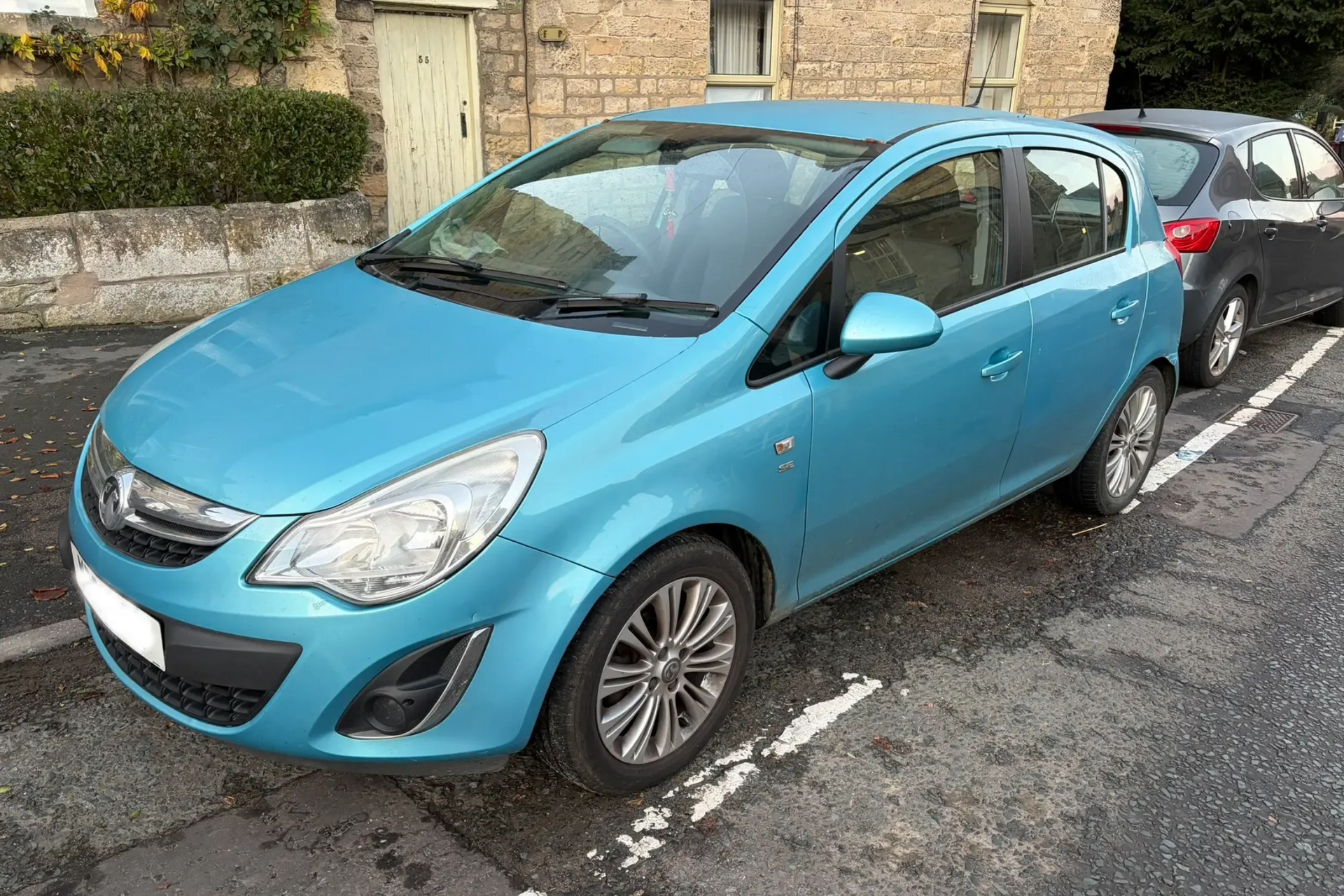
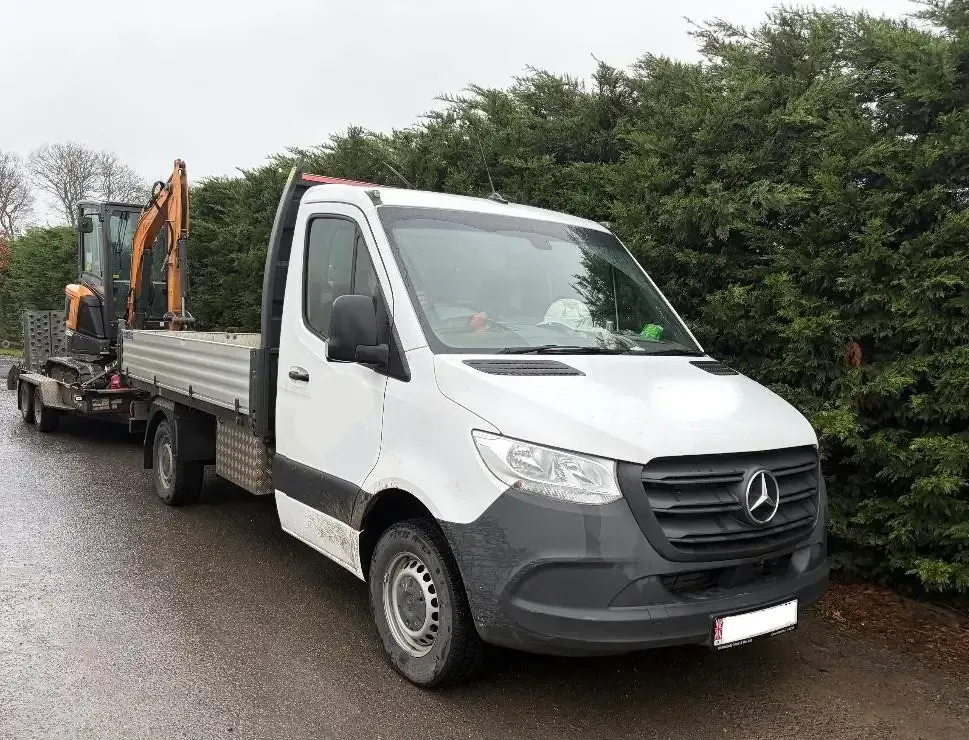
The current situation of an inexperienced driver passing their test in a small car and then be legally allowed to drive a large Mercedes Sprinter towing a trailer loaded with a mini excavator should be revised.
The proposed GDL scheme should extend further, to drivers operating larger vehicles such as Mercedes Sprinter Vans. Novice drivers might struggle with the complexities of managing the size and weight of a large van particularly in emergency situations. Inexperienced drivers are more likely to overestimate their capabilities.
By introducing restrictions during the initial months of driving, could limit exposure to risky situations and provide additional time for drivers to gain confidence and competence, particularly with challenging vehicles, before then introducing the complexities of towing a trailer.
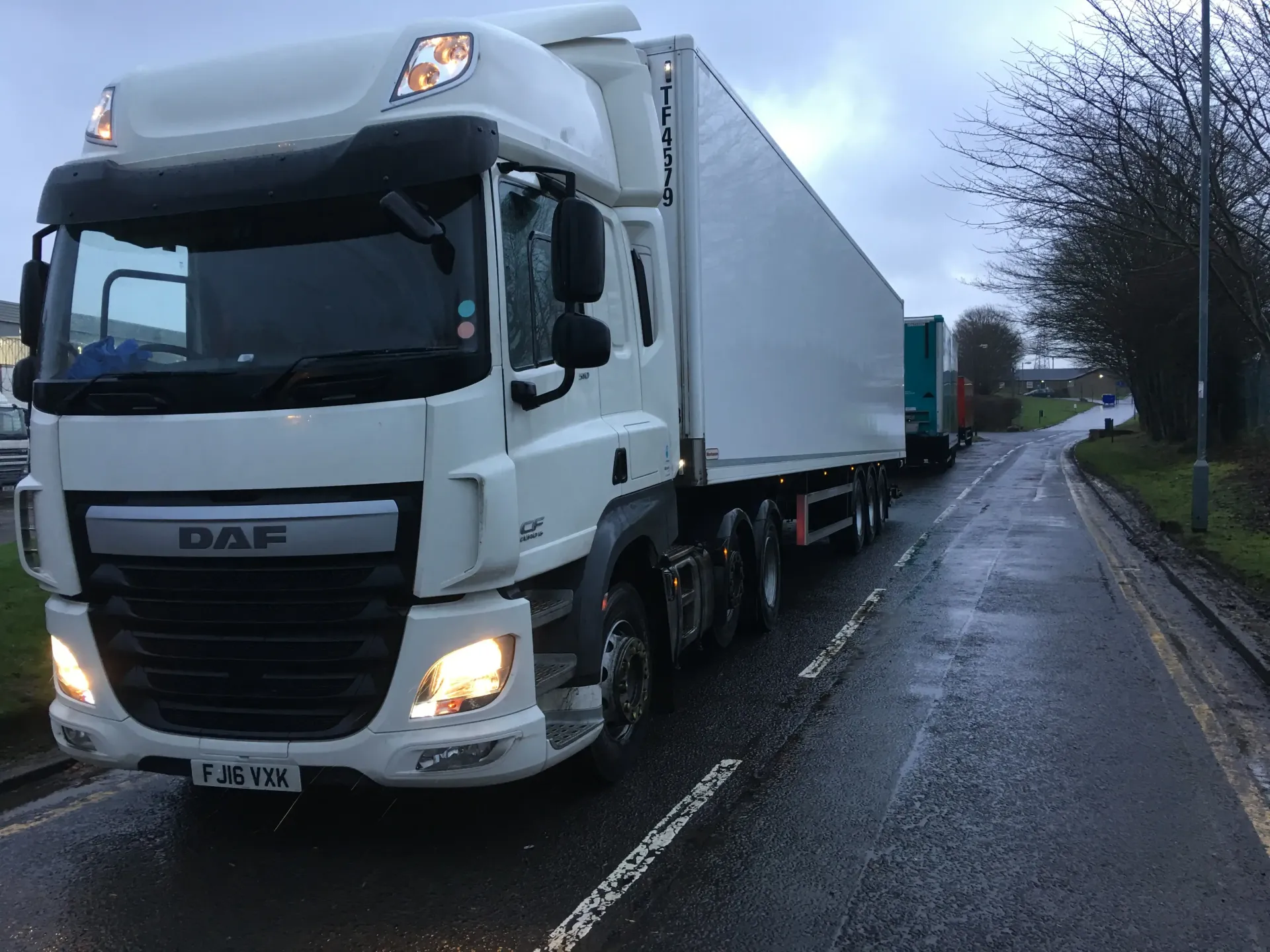
With regard to HGV’s, it is important to reintroduce graded driving licences from vehicles such as the Mercedes Sprinter, through the various sizes of goods vehicles to the full-sized 44 ton Artic. This should also include a period of supervised driving AFTER the test has been passed, providing a stepped approach to the career of a professional HGV driver.
I also think that the reverse procedure needs to be taken back into the main part of the HGV test.
Support for GDL
The AA believes GDL’s are crucial for improving road safety, especially for young drivers who are statistically at greater risk. The inclusion of restrictions like limits on engine size and the requirement for additional identification (e.g., 'P' plates) could help mitigate the risks associated with driving, especially with large vehicles.
The AA estimates that such measures could save at least 58 lives annually and prevent around 260 serious injuries. If GDL’s were reintroduced to larger goods vehicles as well even more lives could be saved and injuries prevented.
GDLs should be created in a holistic way, across the full range of vehicles and their uses, particularly for young drivers and those driving vehicles with trailers and HGV’s. This is a critical part of ongoing efforts to improve road safety in the UK.
Graduated Driving Licences are being proposed for novice car drivers to reduce fatalities. And yet bizarrely, due the desperation of the previous government to solve the HGV driver shortage, regulation, has gone in the opposite direction for HGV drivers.
Proposals
Create World Class HGV Drivers with Aspirational Learning
Combine compulsory graduated licences to educate drivers in the basics of each particular category of vehicle that they are wanting to drive.
And then inspire them to be the best at what they do. You can make people sit down in a classroom, but you cannot make them learn. However, it is possible to get engagement with people by inspiring them to be the best at what they do.
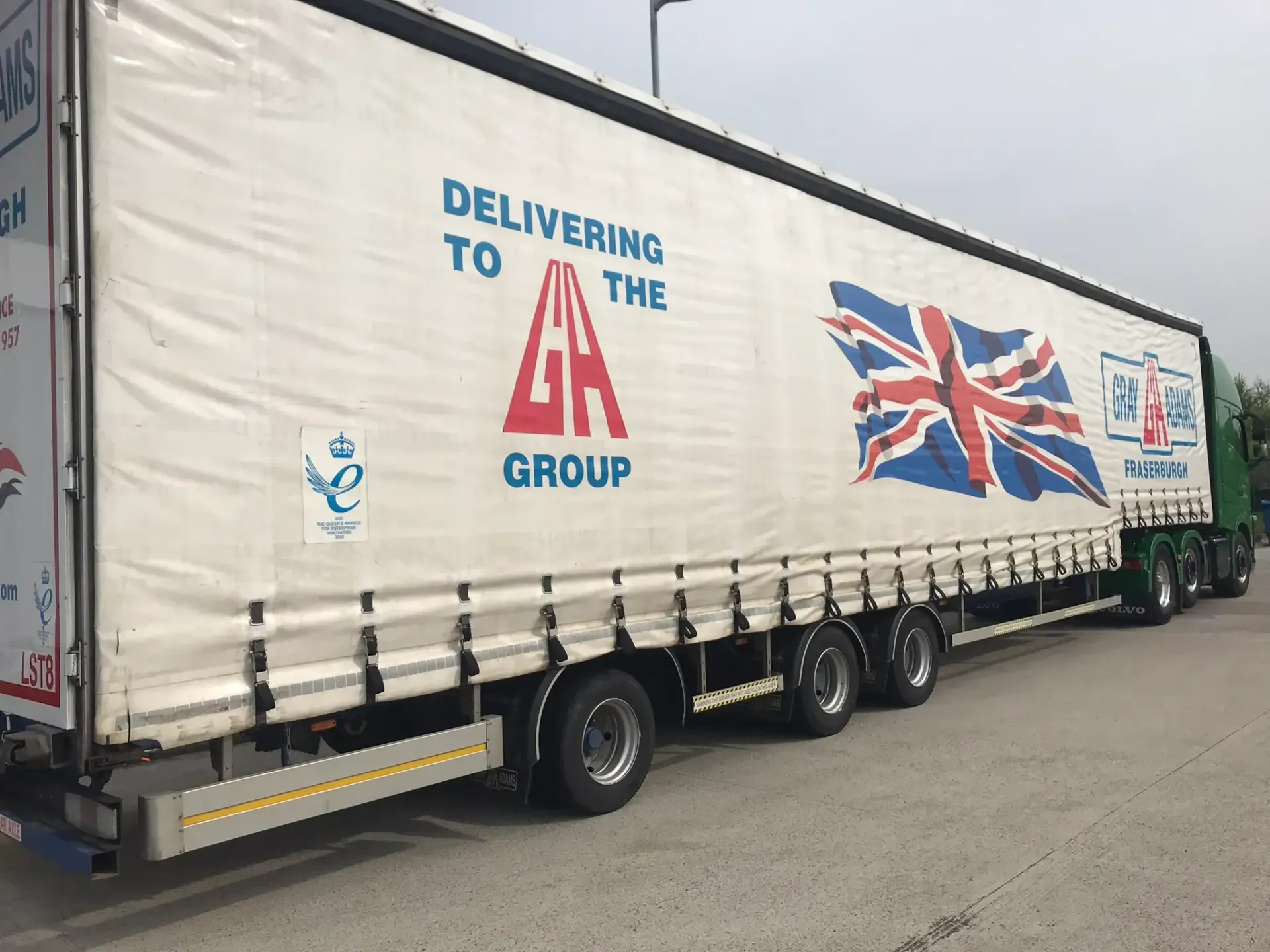
HGV Elite Driver Status
Done correctly with the right incentives in place, many HGV drivers will want to learn more and strive to gain “Elite Driver Status.” A voluntary qualification.
The benefit of being recognised as an Elite Driver would be the ability to increase their wages and become desirable to operators who want to be seen to be operating their fleet to a high standard.
I envisage such drivers, as increasing their knowledge for work purposes, would learn life skills of benefit to them in their personal lives.
At the top of the list of skills HGV drivers could gain would be that of “Scene of Accident” management and specific medical skills to enable them to deal with the kind of trauma they are likely to encounter at the scene of an accident.
As well as the obvious benefits of having capable and trained individuals at the scene of an accident moments after it has happened. An additional benefit for those trained to respond well and feel able to assist to the best of their ability would be a lower likelihood of witnesses suffering from PTSD.
With further joined thinking, Elite Drivers could also gain additional discounts on high-quality roadside food encouraging them to eat well. Please see the section of the website Driver Diet and Well-being.
The concept of ongoing training for HGV drivers is an excellent idea. The Driver Qualification Card (DQC) should be kept. But the criteria for gaining the knowledge for being an excellent HGV driver needs to be completely rethought, in an innovative way.
The current ongoing HGV driver training known as DCPC is not fit for purpose and has created such bad feelings within the HGV driver community I don’t think it can ever be turned into anything worthwhile.
See the section on this website on
Short Format Videos.
Conclusion
GDLs should be created in a holistic way, across the full range of vehicles and their uses, particularly for young drivers and those driving vehicles with trailers and HGV’s. This is a critical part of ongoing efforts to improve road safety in the UK.
Solutions
Reintroduce Graduated Driving Licences (GDLs)
- Apply GDLs not only to new car drivers but also to those operating large vans, vehicles with trailers, and HGVs.
- Create a structured, step-by-step progression through vehicle categories, from vans to full-size articulated lorries (44 tons).
Enhance Driver Training
- Reinstate towing tests and ensure reversing and manoeuvring remain part of HGV training.
- Limit new drivers’ exposure to complex or high-risk driving situations until sufficient experience is gained.
Support from Road Safety Organisations
- The AA supports GDLs as a proven method to improve safety, particularly for young and novice drivers.
- Estimated benefits include saving at least 58 lives and preventing around 260 serious injuries annually.
Conclusion
A holistic, graduated licensing system, covering cars, vans, trailers, and HGVs, should be reinstated to ensure drivers develop competence safely and progressively. This approach would help reduce fatalities, prevent injuries, and strengthen the overall culture of road safety in the UK.