
Harling The Trucker
This website is for YOUR SAFETY
As a road-user, pedestrian, cycle or vehicle, it doesn't matter. You are vulnerable. HGV traffic is all around us, and as a trucker, I want to make it safer for everyone.
PLEASE HELP ME!
Harling believes that HGV related fatalities could be substantially reduced if the seven foundation points were adopted.
However fundamental to making the seven foundation idea a success is a better understanding by the government, trade associations and haulage companies, of HGV drivers learning styles.
It is accepted that the survey will not be entirely accurate, it is intended to start a discussion that needs to take place with all the interested parties within the haulage sector. About a problem that Harling believes is hiding in plain sight.
HGV Drivers are invited to click the link below and complete the survey. And please find at least one other HGV driver to do the same thing.
The objective is to have 1000 responses.
This survey is being jointly sponsored by Harling Yorkshire, a businesses that brokers Gas, Electric and Telecoms. And is supported by the Facebook marketing company, Seeing Social.
Harling's Thought Process
Known Issues
There is a long standing and wide spread HGV driver shortage, exacerbated by:
The logistics sector has failed to market itself positively to younger people, resulting in a shortage of skilled, motivated drivers.
Existing training methods, particularly Driver CPC (DCPC), are ineffective and unpopular, especially among neurodiverse drivers.
Poor treatment, lack of basic facilities, and a culture of disrespect lead to low morale and poor safety behaviours.
Sleep deprivation, obesity, and untreated mental illness directly contribute to accidents.
Society has a duty to help the next generation of drivers live healthier lives.
Widespread ill health, drug and alcohol abuse is not being addresses quickly enough.
From this lived experience and systemic analysis, Harling has developed seven foundation ideas - a blueprint for change.
Harling accepts that there are many good initiatives taking place to improve certain aspects of the problem. To Harling, however, they appear fragmented and disjointed.

Harling’s Seven Foundation Ideas
Harling accepts that there are many good initiatives taking place to improve certain aspects of the problem. However, they are disjointed and fail to address key underlying issues. The seven foundation points form a holistic, interconnected framework designed to create a solid base on which much of the existing initiatives will become more effective .
Thus, elevate HGV driver standards, health and self-respect into a world-class culture of excellence. And with a target of 50% female participation before 2050.

Showers with Toilets: A Necessity for Dignity and Hygiene
- Drivers deserve self-contained washrooms with shower, toilet, and basin, comparable to facilities provided for other remote workers.
- Outdated, communal facilities degrade morale.
- Many in the public and policy world assume such facilities already exist, highlighting the need for education.
- Improved hygiene facilities directly impact well-being, professionalism, and retention.
Listening to HGV Drivers
- Drivers possess invaluable insights into safety and efficiency, yet are rarely consulted.
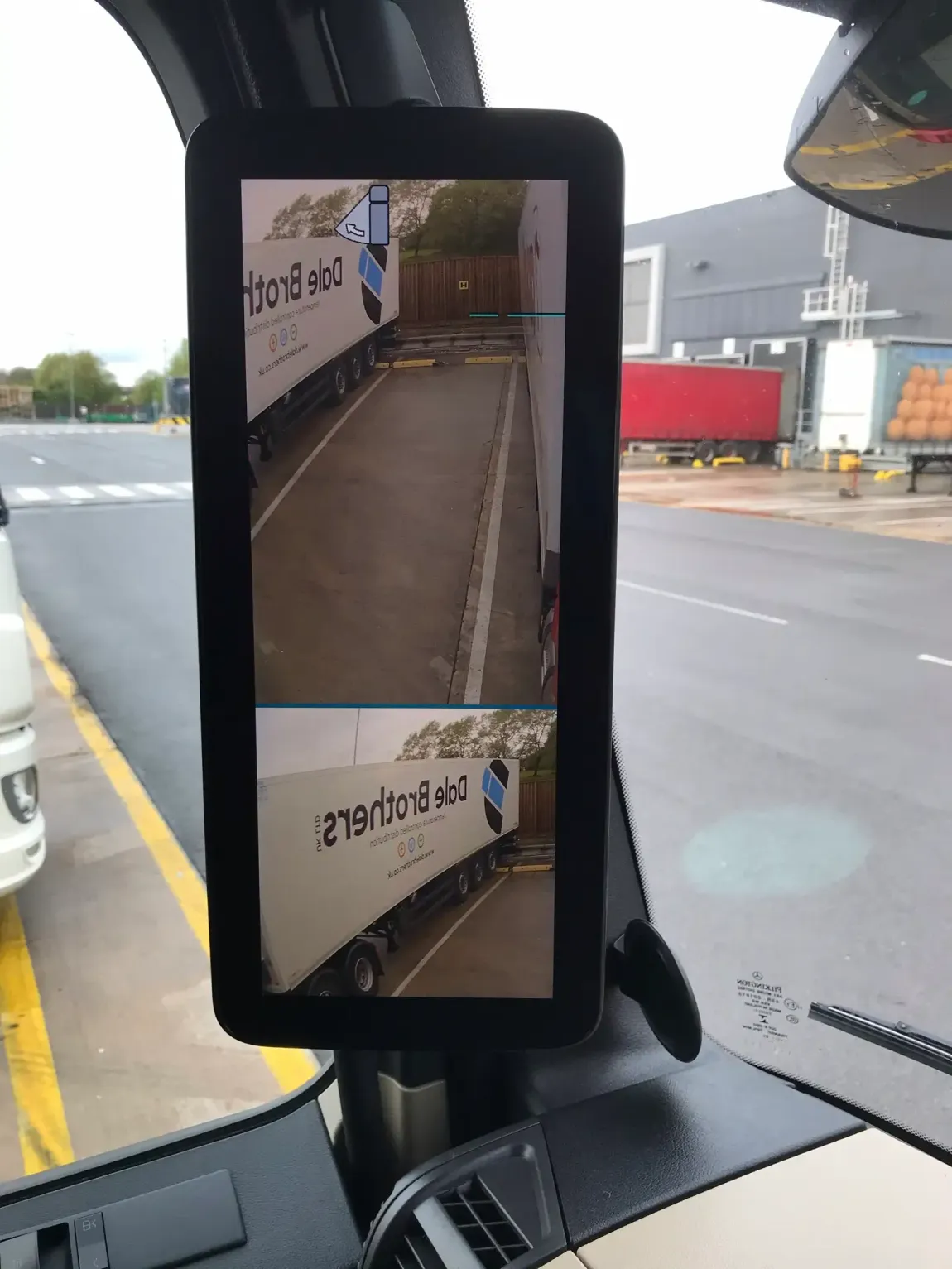
- Issues such as MirrorCam confusion reveal the dangers of not listening to drivers.
- HGV drivers need to be empowered.
Learning from Mistakes: A No-Blame Culture
- Unlike aviation or maritime industries, road transport lacks a systematic learning process for accidents and near-misses.
- Investigations are thoroughly investigated by the police but findings rarely inform industry learning.
- Harling supports the RAC Foundation’s call for a Road Collision Investigation Branch (RCIB).
Graduated Driving Licences (GDL) and “Elite Driver Status”
- Reinstate graduated licensing for all vehicle classes to prevent unsafe “fast-tracking”.
- Introduce Elite Driver Status, a voluntary accreditation recognising skill, professionalism, and wellness.


Improved Medical Standards for HGV Drivers
- Vehicles are inspected every six weeks; drivers only every ten years.
- The "Glasgow Tragedy" exposed deep flaws in the system.
- Introduce
aviation-level medical assessments.
Driver Diet and Well-Being
- Healthier drivers mean fewer accidents, lower NHS costs, and longer, happier careers.
- Motorway services must offer healthier food and hydration options, supported by NHS and logistics partnerships.
- Research from Loughborough University confirms systemic barriers to health improvement.


Short-Format Video Training: Engaging the Neurodiverse Majority
- Harling believes many HGV drivers are dyslexic and it would be beneficial to establish the exact situation.
- This would explain the failure of traditional, classroom-based training. Harling believes that Short, engaging, interactive videos are the solution required to deliver ongoing training.
- Topics should include sleep, nutrition, stress management and posture.
- With creative, rewarding learning models, drivers would willingly exceed minimum training hours and could be inspired to achieve elite driver status.
HGV Driver
Harling Kaye is a seasoned Part time HGV Class 1 (C+E) driver, with over a million miles of hard-core trucking under his belt. He holds international CPC and has previously been a DVSA approved HGV driver assessor and so brings a uniquely grounded yet strategic perspective to one of the UK’s most pressing challenges: reducing fatalities involving Heavy Goods Vehicles (HGVs) on our roads.
Wellness Advocate
Road safety cannot be solved purely by enforcement or technology; it must address the human being behind the wheel. Harling's approach integrates mental health, driver training, nutrition, sleep, and communication. A holistic model where each improvement strengthens the others.
Based on lived experience with insight drawn from psychology, business, and personal resilience and crucially over a million miles of hard-core trucking.
Government departments, Associations and haulage company management needs to better understand how to effectively communicate behavioural change to HGV drivers, many of whom are neurodiverse.
Change Maker
The use of short-format video education is proving invaluable in sectors like healthcare in Australia. This approach is about adapting methods proven elsewhere to the UK transport sector. Creating cultural change through practical, human-centred innovation. Change can only be successful in the long-term if it is achieved through a spirit of collaboration.